
Key Takeaways
Not all payment methods are the same. This comparison explains how real-time payments differ from traditional bank transfers and which option is better for modern businesses.
Key Statistics
- Traditional bank transfers can take one to three business days to settle
- Real-time payments are processed within seconds, any time of day
- Businesses using instant payments report fewer payment delays and disputes
Understanding Traditional Bank Transfers
Traditional bank transfers rely on batch processing and limited banking hours. Payments are typically processed during business hours and can take several days to fully settle.
What Are Real-Time Payments?
Real-time payments allow funds to move instantly between accounts, 24 hours a day. Once a payment is initiated, funds are immediately available to the recipient.
Key Differences Between the Two
The main differences between real-time payments and traditional transfers include settlement speed, availability, and operational efficiency. Real-time payments eliminate waiting periods and provide immediate confirmation.
Which Option Is Better for Businesses?
For businesses that require fast access to funds and real-time visibility, real-time payments offer clear advantages. Traditional transfers may still work for low-priority or non-urgent payments.
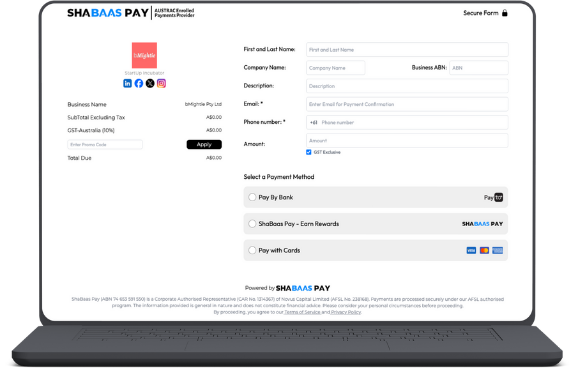
How ShaBaas Pay Supports Faster Payments
ShaBaas Pay enables businesses to adopt real-time payment solutions that are secure, scalable, and easy to integrate into existing systems.
Making the Right Payment Choice
Choosing the right payment method depends on your business needs. However, as customer expectations continue to rise, real-time payments are becoming the preferred standard.


.svg)